

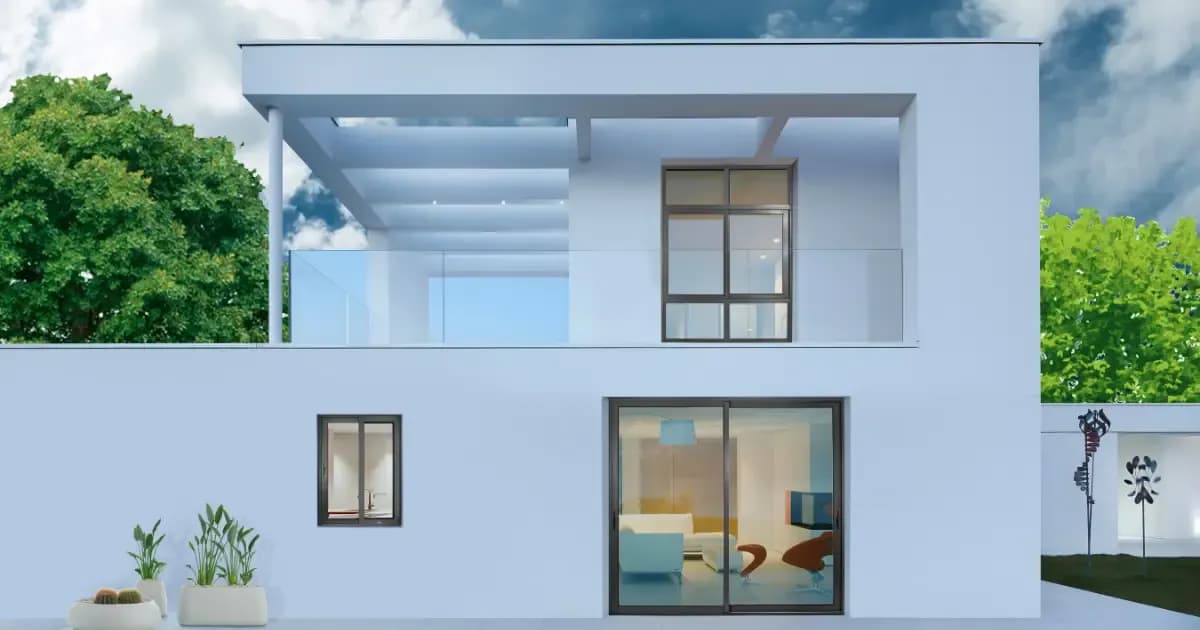
A sliding window does more than its basic functions. It determines how sunlight enters a room, how easily air moves through it, and how spacious the room feels throughout the day. That is why sliding windows are now common in many Indian homes, especially where space and ventilation matter. But the wrong sliding window (khidki) can create daily discomfort. A poor choice of size, frame, glass, or placement can affect privacy, insulation, airflow, and how well the window performs over time.
What Are the Most Common Mistakes People Make When Choosing Sliding Windows?
Ignoring Room Ventilation Requirements
One of the most common home window mistakes is assuming any sliding window will bring in enough air. If the opening is too narrow or placed away from the natural breeze path, the room can still feel heavy.
Choosing Incorrect Window Sizes
A very small window can leave the room short on daylight, while a window that is too large may overpower the wall and make furniture planning harder.
Selecting Unsuitable Frame Materials
A frame that looks good in a brochure may not work as well in a home exposed to dust, rain, harsh sun, or frequent use.
Overlooking Glass Performance
Glass changes the experience of a room more than people expect. It can soften heat, reduce noise, add privacy, or even make a bright room uncomfortable if chosen carelessly.
Ignoring Weather Conditions
Rain, humidity, and dust often reveal poor window choices first. Poor sealing, low-grade tracks, or unsuitable materials can lead to seepage, stains, and rough sliding.
Prioritising Appearance Over Functionality
A slim, stylish window is not enough if it is difficult to slide, does not lock properly, or fails to ventilate the room well.
Also Read: 5 Benefits of uPVC Windows for Replacement in Home
How Does Choosing the Wrong Window Size Affect Your Home?
Choosing the wrong window size affects the way a room gets light, air, and usable wall space. A small sliding window may leave the room darker than expected, even when there is enough sunlight outside. It can also reduce fresh air circulation, disrupt cross ventilation, and make heat stay indoors for longer.
A window that is too large brings a different set of problems. It may make the wall look visually heavy, reduce privacy, or leave fewer options for placing wardrobes, beds, desks, or seating. This is why window size should come from the room's purpose, not just from the preferred look of the elevation.
How to Choose the Right Sliding Windows?
Assess Room Functionality
One of the first tips to choose sliding windows is matching the design to the room's need for light, privacy, airflow, and moisture control.
Consider Ventilation Requirements
The window should allow air to move through the room instead of simply filling an empty wall space.
Choose the Right Frame Material
The best frame material for sliding windows depends on the home's location, upkeep expectations, insulation needs, and exposure to sun, rain, or dust.
Select Suitable Glass Options
You can choose clear, tinted, laminated, toughened, or double-glazed glass based on heat, noise, privacy, safety, and daylight needs.
Evaluate Weather Resistance
Proper sealing, weather-resistant frames, and well-made tracks help the window withstand rain, humidity, dust, and regular use.
Prioritise Smooth Functionality
Tracks, rollers, and locking systems matter because a sliding window is used regularly, not just seen from a distance.
Match Architectural Style
The frame finish, colour, and design should sit naturally with the home's architecture instead of looking like a later addition.
Focus on Safety and Security
Strong locks, durable frames, and suitable glass are especially important for balconies, lower floors, and homes with children.
Also Read:The Advantages Of Double Glazed Windows
Planning to Install Sliding Windows?
A well-chosen sliding window should feel easy to use for years, not just look good on the first day. Fenesta's sliding window solutions combine precision-engineered frames, smooth movement, weather resistance, and versatile glass options for modern Indian homes.
Explore Fenesta's range of sliding windows and consult with our fenestration experts, free of charge.
Frequently Asked Questions
Que: What is the ideal size for sliding windows?
Ans: There is no fixed ideal size for sliding windows, as the right dimensions depend on the room layout, opening width, and ventilation needs.
Que: Which glass is best for sliding windows?
Ans: Toughened, laminated, or double-glazed glass works well for sliding windows, depending on whether you need better safety, noise reduction, insulation, or privacy.
Que: How do I maintain sliding window tracks?
Ans: You may keep sliding window tracks clean by removing dust and debris regularly, wiping them with a damp cloth, and lubricating the rollers when needed.
Que: Are sliding windows suitable for small rooms?
Ans: Yes, sliding windows are suitable for small rooms because they open horizontally and do not need extra clearance inside or outside the room.
* T&C Apply







Fenesta
India's leading manufacturer of premium uPVC and aluminium windows & doors, helping homeowners create beautiful, comfortable, and energy-efficient spaces.
Leave a Comment