A well-designed study room makes long hours of reading, work, or learning feel sustainable. When the space is thoughtfully put together, it feels balanced, organised, and free of distraction — whether it occupies a quiet corner of the home or an entire room of its own.
The right doors and windows are fundamental to this. They define the boundaries of the space, regulate light and air, and determine how much of the outside world is allowed in.
Browse our gallery below for door and window ideas that can turn your study into a focused, private retreat.
Explore elegant bedroom spaces crafted with modern windows, premium interiors, and natural lighting aesthetics.

Check out our Frequently Asked Questions. If that doesn’t answer your questions about our products, materials, services, installations, and more, please book a consultation with one of our highly trained service representatives or visit us at any of our Signature Studios.
Study room doors do more than mark an entrance — they actively shape the working environment within. The best study room doors limit noise from shared spaces, open and close without disruption, and blend with the room's interior so the space feels visually settled. Material, finish, and hardware all contribute to this. A door that rattles, lets sound through, or visually competes with the room's design is a quiet but constant distraction. Fenesta's range covers a variety of profiles and finishes — visit a Signature Studio or speak with a representative to find what works best for your space.
The size and orientation of the room, how much traffic passes through the adjoining area, and whether the study depends on borrowed light from outside are the key considerations when selecting a door for a study room. Larger rooms can support wider openings. Compact spaces benefit from doors that save floor area without reducing the sense of the room. If the study sits adjacent to a busy corridor or living area, acoustic insulation should be a priority. If it is a more interior space with limited access to daylight, the door itself can be part of the lighting solution.
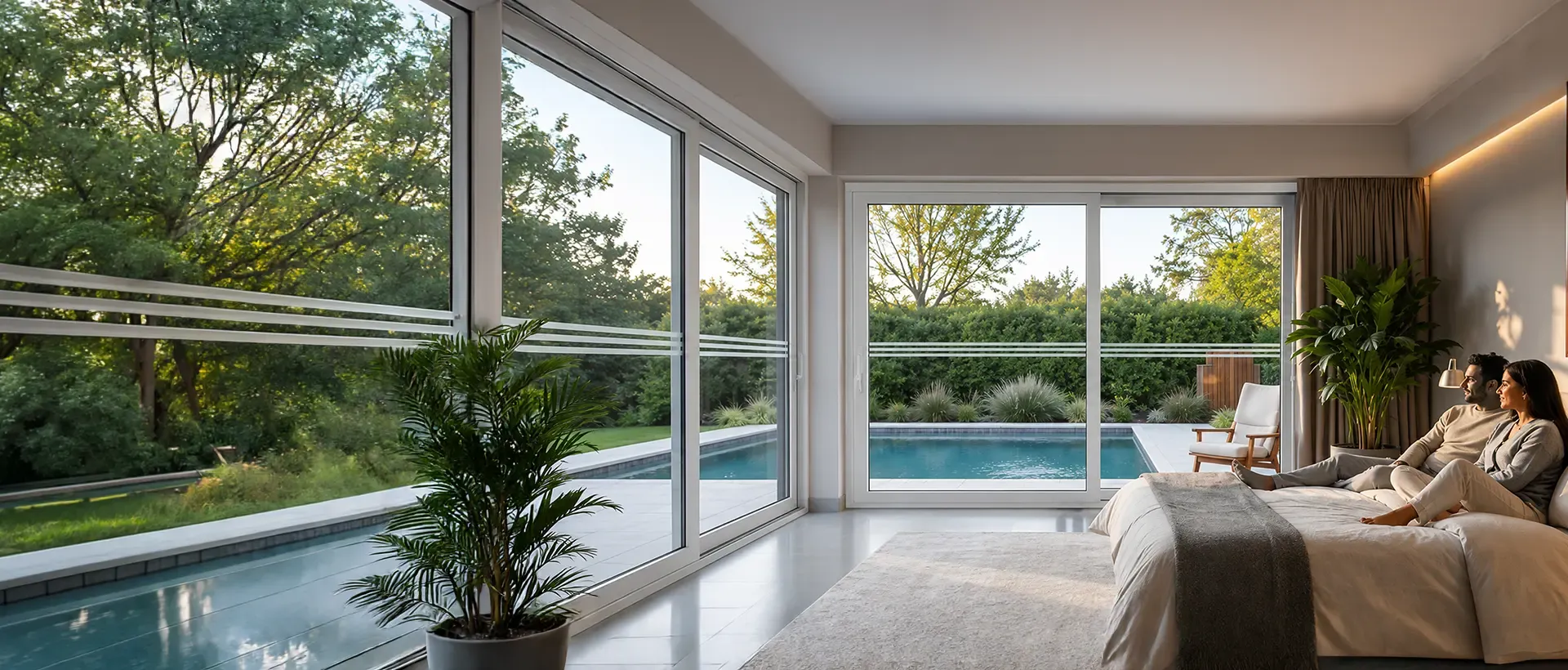
A glass door for a study room works particularly well when the room needs to feel open and connected to the rest of the home, or when it relies on natural light from an adjoining space. Glazed doors let light travel through while still marking a clear boundary — useful in open-plan homes where visual separation matters more than acoustic separation. For rooms that require both light and privacy, frosted or textured glass offers a considered middle ground.
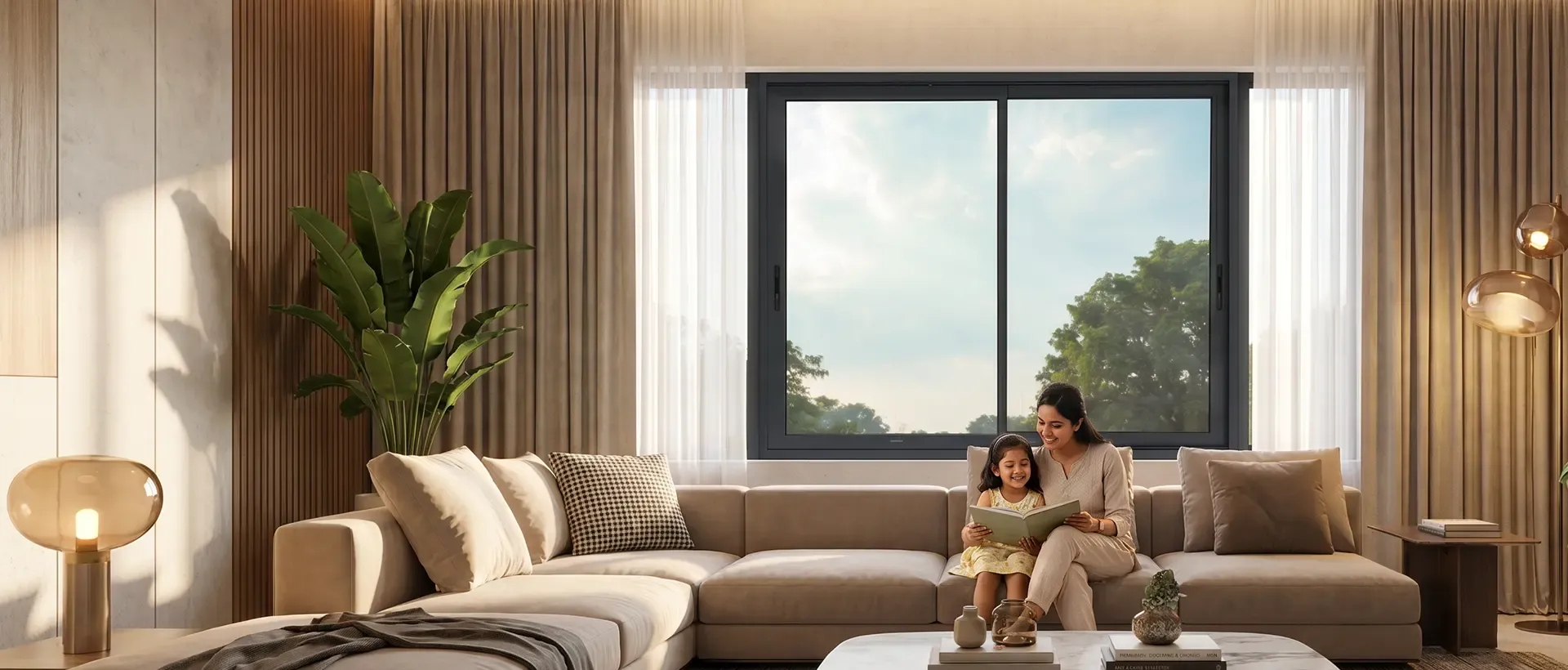
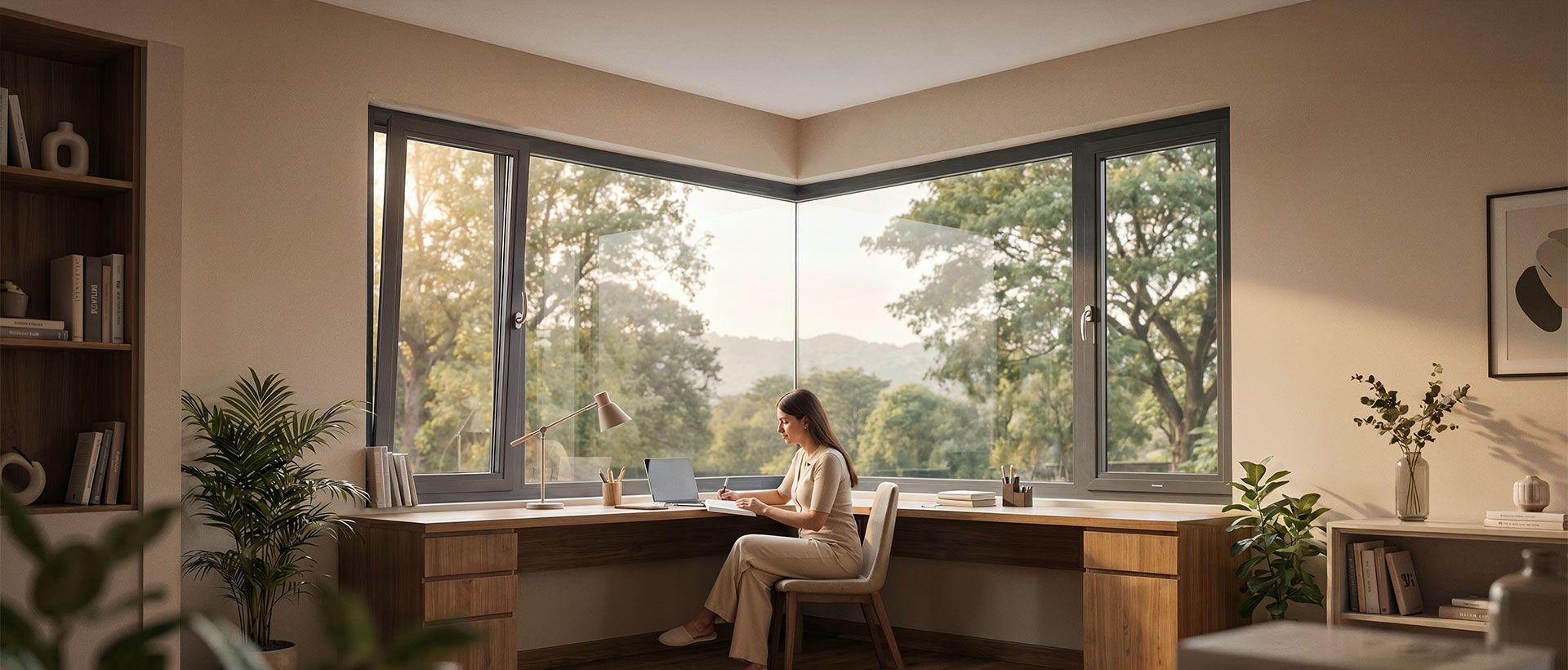
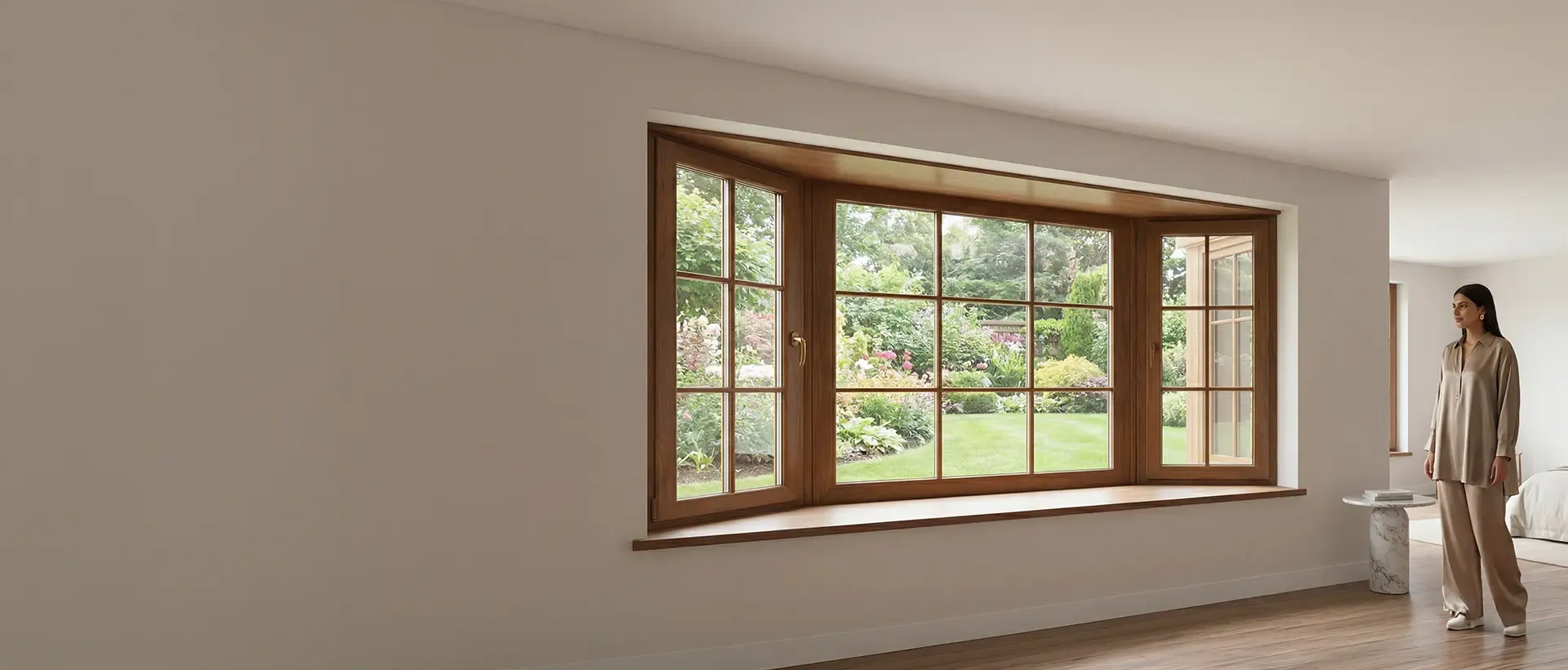
A study room window design should do three things well: admit generous natural light, support steady ventilation, and limit glare that strains the eyes over long periods. Even a single well-placed window can meaningfully change how the space functions. The best configurations distribute light evenly across the working area rather than creating bright spots and shadows that make reading uncomfortable. Slider windows suit compact rooms where wall space is at a premium. Larger studies can benefit from casement windows or combination formats that draw in more light and air. Glass type, frame colour and finish, and the proportions of the opening all contribute to how the finished room feels.
Choosing the right window for a study room comes down to understanding the room's relationship with light and the outdoors. Which direction does the room face? How much direct sunlight does it receive, and at what time of day? A south- or west-facing room may need glass with solar control properties to prevent overheating in the afternoon. A room with limited natural light will benefit from larger openings or a combination of window types to maximise what is available. Drag Privacy is another consideration — particularly if the study faces a street or shared outdoor space. Visit one of our Signature Studios or speak with a fenestration expert to find a configuration that suits your specific conditions.
A uPVC window for a study room is one of the most practical choices available. uPVC frames insulate well — both thermally and acoustically — which helps maintain stable temperatures and reduces the intrusion of external noise, two conditions that directly support concentration and sustained focus. The frames are low-maintenance, durable, and available in a range of colours and finishes, including options that closely resemble timber. For a room where consistent conditions matter, uPVC is a reliable and cost-effective solution.
A sliding door for a study room is an excellent choice wherever floor space or layout efficiency is a concern. Unlike hinged doors, sliding formats require no clearance arc, which makes a meaningful difference in compact rooms or in layouts where the door would otherwise interfere with furniture placement. They move quietly, which suits the working environment of a study, and are available in both glazed and solid panel formats depending on whether you prioritise light or privacy. Fenesta's sliding door range covers a variety of profiles and finishes to suit different interiors.
Both materials are durable, low-maintenance, and more sustainable than timber — but they perform differently and suit different priorities. uPVC excels at insulation. A uPVC door or window will help keep the room quieter and at a more stable temperature, which directly supports the kind of environment a study needs. The frames can be finished to resemble wood without any of its maintenance requirements. Aluminium offers structural strength with a slimmer profile, which allows for larger glazed areas and a more contemporary aesthetic. It is the better choice where a door or window is directly exposed to weather, or where a minimal, architectural frame is part of the design intent. Whichever you choose, Fenesta's range is precision-engineered to perform consistently. A visit to one of our Signature Studios is the best way to see the difference for yourself.
The right study room door design and window placement can make a significant difference to how spacious a compact study feels. Glazed or semi-glazed doors allow light to pass through the room's boundary, reducing the sense of enclosure without removing privacy. A well-proportioned window, positioned to frame a view rather than simply admit light, draws the eye outward and makes the room feel larger than its footprint. Light frame finishes and minimal profiles — available in both uPVC and aluminium — also help keep the space feeling open rather than heavy.